
The student
- Their behavioral profile on the DISC model
- Natural strengths and challenges
- Suitable careers, areas and study formats
Each student plays for 15 minutes and receives a report that connects their style with careers, ways of studying and suitable environments. The school adds a behavioral perspective to its guidance process.
Request a demo for your school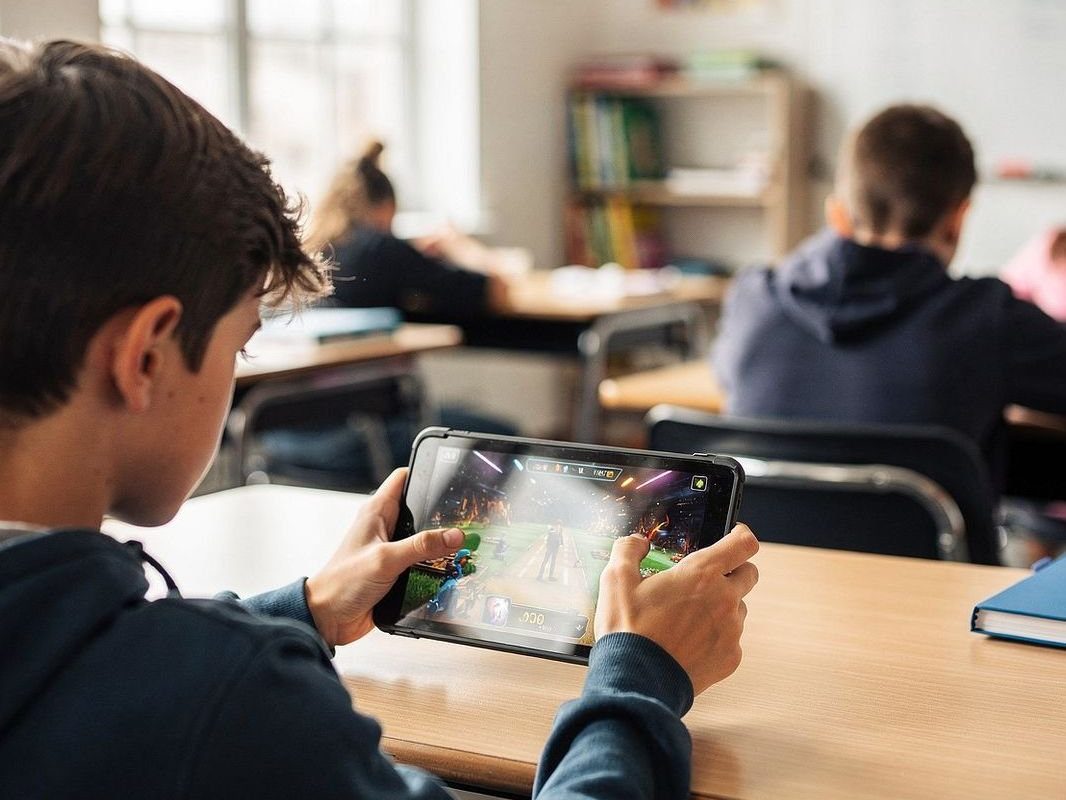
Students finish secondary school facing hundreds of degrees and few tools to prioritize.
Academic performance does not show how each student communicates, decides or works.
Family, friends and expectations weigh on a choice that should start with each person.
Guidance teams have to support many students at once.
We define classes, dates and how it fits into the school’s guidance program.
Fifteen minutes on a computer, tablet or phone, in class or at home.
Behavioral profile, strengths and suitable careers and areas, in plain language.
The report becomes material for workshops, tutoring and conversations with families.

Each student reflects on their strengths and the environments where they feel comfortable.
The profile works as a compass to prioritize among many possible options.
What kind of life each one wants to build: routine, challenges, social contact, impact.
Sharing the profile helps avoid expectations that don’t match the student.
The profile describes behavioral tendencies; it does not define anyone or decide for anyone. It is a starting point for conversation, and a vocation keeps taking shape with new experiences.
Documented implementations with public agencies and social organizations.
| Country | Agency | Institution | Participants |
|---|---|---|---|
| El Salvador | Expertise France | MINED | 5,151 |
| Spain | Fundación Exit | Private | 542 |
| Latin America | Junior Achievement | Multinational | 1,387 · 5 countries |
The game takes about 15 minutes. It fits within one class period.
No. A computer, tablet or phone with an internet connection is enough.
No. It adds objective information to better support each student.
Tell us how many students and classes you want to support, and we will put together a tailored proposal.
Request a proposal